Best Skin Care Routine for Oily Black Skin
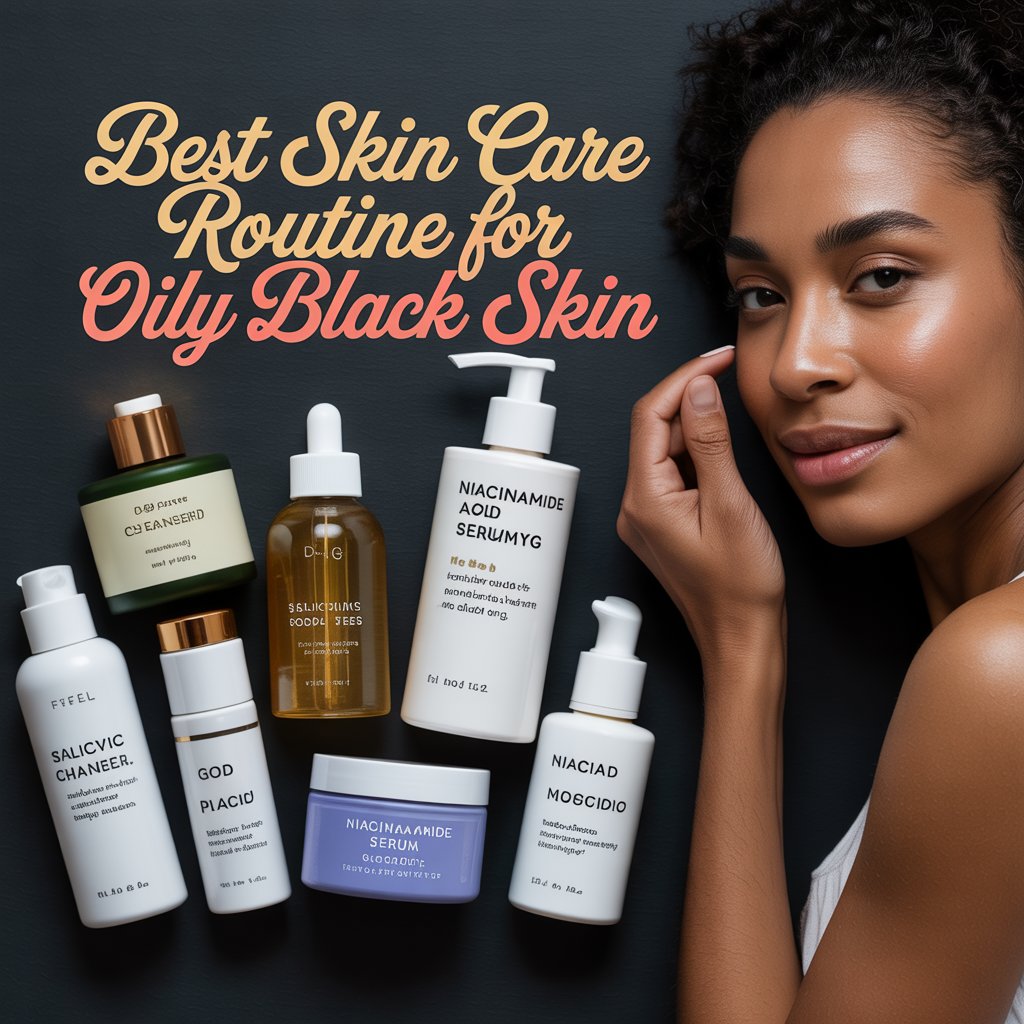
A professional side-profile photograph of a woman with oily Black skin, captured under warm lighting. Her complexion appears smooth and radiant with minimal blemishes. As she gently applies moisturizer to her cheek, her facial features are softly emphasized. The blurred, warmly lit background highlights her natural glow and the texture of the product on her skin.
Managing oily skin can be uniquely challenging for Black women. Excess shine, enlarged pores, and a higher tendency toward hyperpigmentation are common, and many mainstream skincare routines fail to acknowledge the specific needs of melanin-rich, oil-prone complexions. Because Black skin naturally produces more sebum and requires a more balanced approach to oil control, generic advice often does more harm than good.
Thankfully, the beauty industry is beginning to recognize that darker skin tones need specialized care—especially when it comes to managing oil and maintaining a strong skin barrier. Since Black skin often contains larger, more active sebaceous glands, harsh cleansers and stripping routines can trigger even more oil production. The goal is not just controlling shine, but doing so without causing ashiness, irritation, or barrier damage.
This guide outlines a complete morning and evening routine tailored to oily Black skin, details the ingredients that truly make a difference, and highlights the common mistakes that might be undoing your progress. From gentle cleansing and balanced hydration to oil-regulating treatments and smart product layering, you’ll learn exactly how to transition from persistently oily skin to a healthy, balanced glow
Understanding Your Oily Black Skin Type
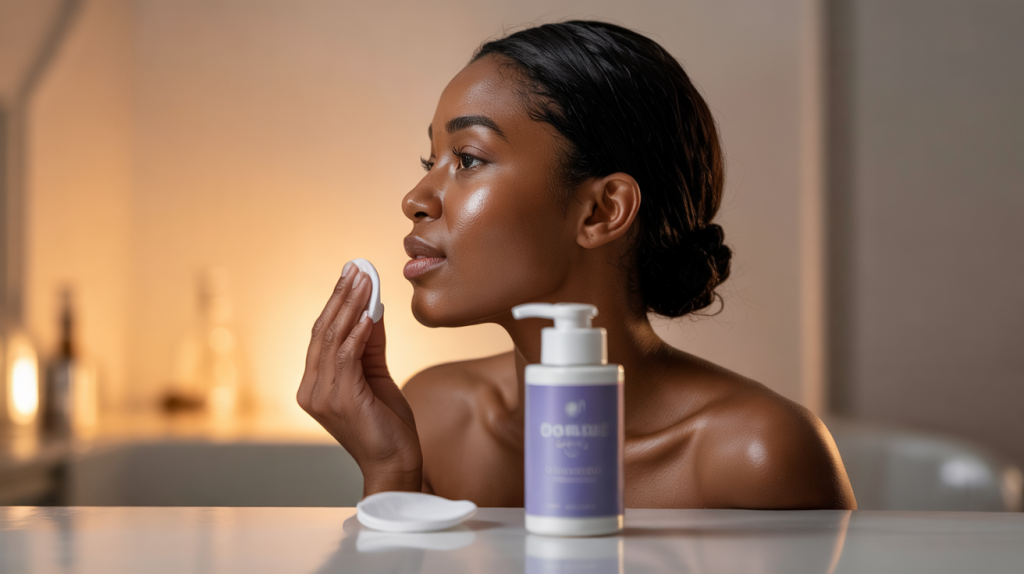
Black skin often produces more oil due to genetic and evolutionary factors. Historically, increased sebum functioned as natural protection in warm, dry climates. Today, however, this advantage can translate into everyday shine, especially in humid weather or during hormonal shifts.
Why Black Skin Produces More Oil
Black skin typically contains larger and more active sebaceous glands. These glands respond strongly to hormones—especially androgens—causing noticeable increases in oil production during menstrual cycles, pregnancy, or times of stress. This is why standard oily-skin advice often falls short for Black women.
Climate further influences oil levels:
- Humidity boosts sebum production.
- Artificial indoor heating or air conditioning can dry the skin’s surface and trigger compensatory oiliness.
The Role of Larger Sebaceous Glands
Sebaceous glands in Black skin are not just more active—they’re also more densely concentrated in the T-zone. This is why oiliness often appears predominantly on the forehead, nose, and chin. Additionally, harsh products can overstimulate these glands, making “oil-control” routines that rely on stripping the skin highly counterproductive.
How Climate Affects Oil Production
Seasonal shifts influence oil levels significantly.
- Summer humidity increases shine and congestion.
- Winter dryness can dehydrate skin, causing more oil production despite tight, dry cheeks.
Geography matters, too—coastal humidity, desert dryness, and urban pollution all modify how Black skin behaves.
Identifying Your Specific Skin Concerns
To build the right routine, observe:
- Where shine first appears
- Pore visibility throughout the day
- Breakout patterns
- Texture changes
- How well your products control oil
Tracking your skin for a few weeks is far more effective than constantly switching products.
Oily vs. Combination Skin
Oily skin produces excess sebum everywhere; combination skin produces it primarily in the T-zone. Many Black women incorrectly treat their combination skin as fully oily, which leads to dry, irritated cheeks and worsening oiliness in the T-zone.
Reevaluate your skin type regularly—your needs change with age, hormones, and environment.
Essential Morning Skincare Steps
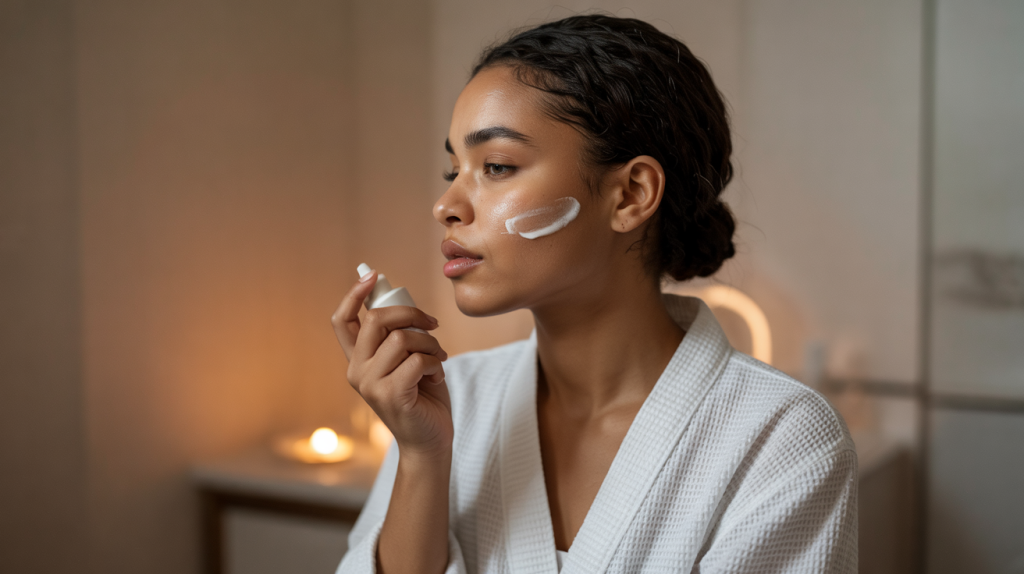
Your morning routine should gently cleanse, hydrate, and protect your skin while managing shine throughout the day.
Gentle Cleansing
Use a cream or gel cleanser with a pH between 5.5 and 6.5. Avoid harsh foams and sulfates. Cleanse for 30–60 seconds using gentle circular motions, then rinse with cool water to help minimize oil production. Pat dry.
Balanced Toner
Choose alcohol-free toners with niacinamide, green tea, or witch hazel (without alcohol). Essence-style toners offer added hydration without heaviness.
Lightweight Moisturizer
Oily skin still needs moisture—skipping it only triggers more oil. Look for gel or water-based moisturizers with:
- Hyaluronic acid
- Niacinamide
- Ceramides
Apply a small amount and allow it to fully absorb.
Sunscreen
Use a broad-spectrum SPF 30. Opt for gel-based or fluid formulas that disappear into dark skin without a white cast. Asian sunscreens often perform exceptionally well on oily skin.
Setting Makeup
Use a mattifying primer, oil-free foundation, and translucent setting powder. Finish with a mattifying setting spray. Carry blotting papers for midday touch-ups.
Your Evening Routine for Oil Control
Evening skincare focuses on deep cleansing, treatment, and overnight repair.
Double Cleansing
- Oil-based cleanser or micellar water to dissolve sunscreen and sebum.
- Water-based cleanser to remove residue.
Your skin should feel clean but never tight.
Chemical Exfoliation
Choose gentle, effective acids:
- Salicylic acid (BHA) penetrates oily pores.
- Lactic or mandelic acid (AHA) smooth texture and address dark spots.
Introduce slowly and avoid over-exfoliation.
Night Treatments
Use niacinamide serums, lightweight overnight masks, or small amounts of jojoba or rosehip oil for balanced hydration.
Retinoids
Retinoids regulate cell turnover, reduce oil production, and help fade dark spots. Start with low-strength retinol 1–2 nights a week and increase gradually.
Weekly Masks
Clay, charcoal, sulfur, enzyme, or multi-masking techniques deliver targeted benefits. Remove clay masks before they fully dry to avoid over-drying.
Key Ingredients That Transform Oily Skin
Niacinamide
Regulates oil, minimizes pores, and fades dark spots—ideal for Black skin. Stick to 4–10%.
Salicylic Acid
Oil-soluble and anti-inflammatory, perfect for unclogging pores and reducing breakouts.
Hyaluronic Acid
Provides water-based hydration that prevents excess oil production.
Clay
Kaolin, bentonite, and French green clay gently absorb oil at varying strengths.
Natural Alternatives
- Tea tree oil (diluted)
- Green tea extract
- Aloe vera
- Zinc
- Licorice root
Always patch-test natural ingredients.
Common Mistakes to Avoid
Over-Cleansing
Washing too often strips your barrier and triggers more oil.
Skipping Moisturizer
Even oily skin needs hydration. Dehydration causes MORE shine.
Bad Product Combinations
Mixing incompatible actives can cause irritation or reduce effectiveness.
Ignoring Skin Barrier Health
A damaged barrier leads to increased oiliness, sensitivity, and hyperpigmentation.
Incorrect Layering
Apply products thinnest to thickest, with appropriate wait times.
Your Complete Oily Skin Success Plan
Consistency is key. Track your progress with weekly photos and avoid changing products too quickly. Improvements typically appear within 6–12 weeks.
Focus on balanced, healthy skin—not complete oil removal. Some oil is essential and contributes to the long-lasting youthful appearance of Black skin.
Frequently Asked Questions
Q: When will I see results?
A: Initial improvement appears within 2–3 weeks; major results take 6–12 weeks.
Q: Should my routine change with the seasons?
A: Yes—lighter products in summer, more hydrating products in winter.
Q: Are facial oils safe for oily skin?
A: Yes, if they’re lightweight and used sparingly (e.g., jojoba, squalane, rosehip).
Q: Why am I oilier before my period?
A: Hormonal changes increase sebum production 1 week before menstruation.
Q: Is heavy T-zone oil normal?
A: Yes—this often indicates combination skin.
Q: How can I prevent makeup meltdown?
A: Primer, oil-free foundation, setting powder, and blotting papers.
Q: Are chemical exfoliants safe for dark skin?
A: Yes, and they are often safer than scrubs when introduced slowly.
Q: What’s the #1 mistake in treating oily Black skin?
A: Over-treating with harsh products that damage the barrier and increase oil.