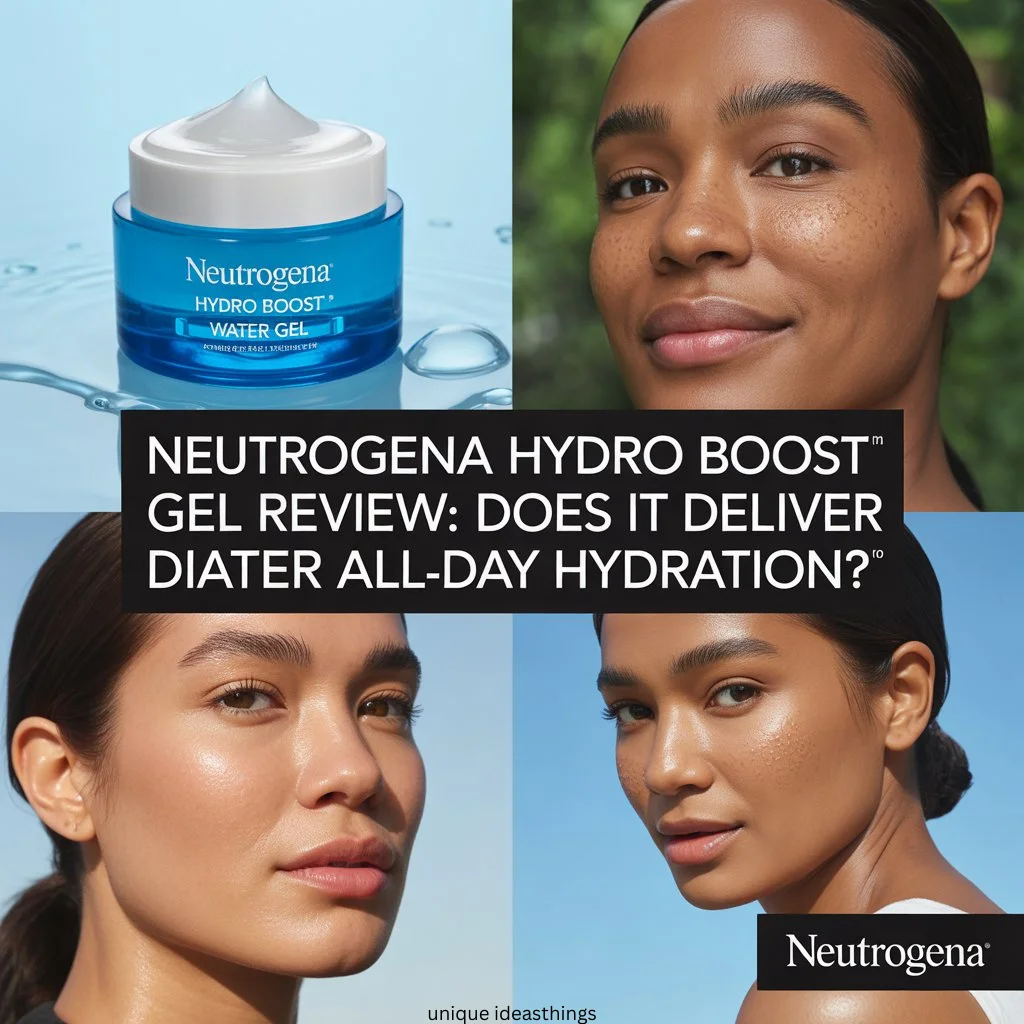
Neutrogena Hydro Boost Water Gel Review: Does It Deliver All-Day Hydration?
Finding the perfect moisturizer has always been a challenge for me. My skin type is combination-dry—an oily T-zone with dry, tight patches around my cheeks and mouth. On top of that, acne treatments tend to leave my skin even more dehydrated.
So, I need a moisturizer that’s lightweight yet hydrating, without feeling greasy or clogging pores. After hearing so much about Neutrogena Hydro Boost Water Gel, I finally decided to give it a try. But does it really keep skin hydrated all day? Let’s dive in.
Key Ingredients and Benefits
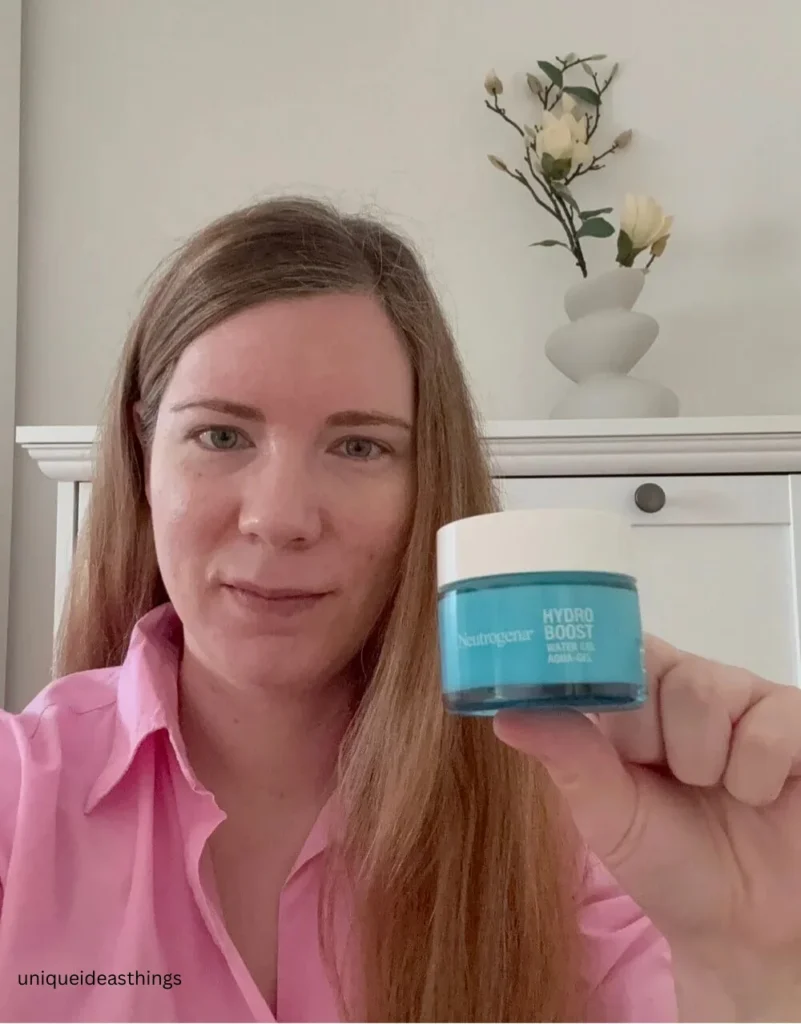
Before trying any new skincare product, I always check the ingredients. Here are the most notable ones in Hydro Boost Water Gel:
- Hyaluronic Acid – A hydration powerhouse that holds up to 1,000 times its weight in water, keeping skin plump and moisturized.
- Dimethicone – A silicone that smooths skin and locks in hydration. While not everyone loves silicones, they help create that silky finish.
- Glycerin – A classic humectant that attracts water to the skin.
- Fragrance & Alcohol – These can be irritating for sensitive skin. I personally don’t react to them, but it’s something worth noting.
- Blue 1 Dye – This gives the gel its signature aqua-blue tint. It doesn’t affect performance, but it’s not necessary from a skincare perspective.
First Impressions: Texture, Scent & Application
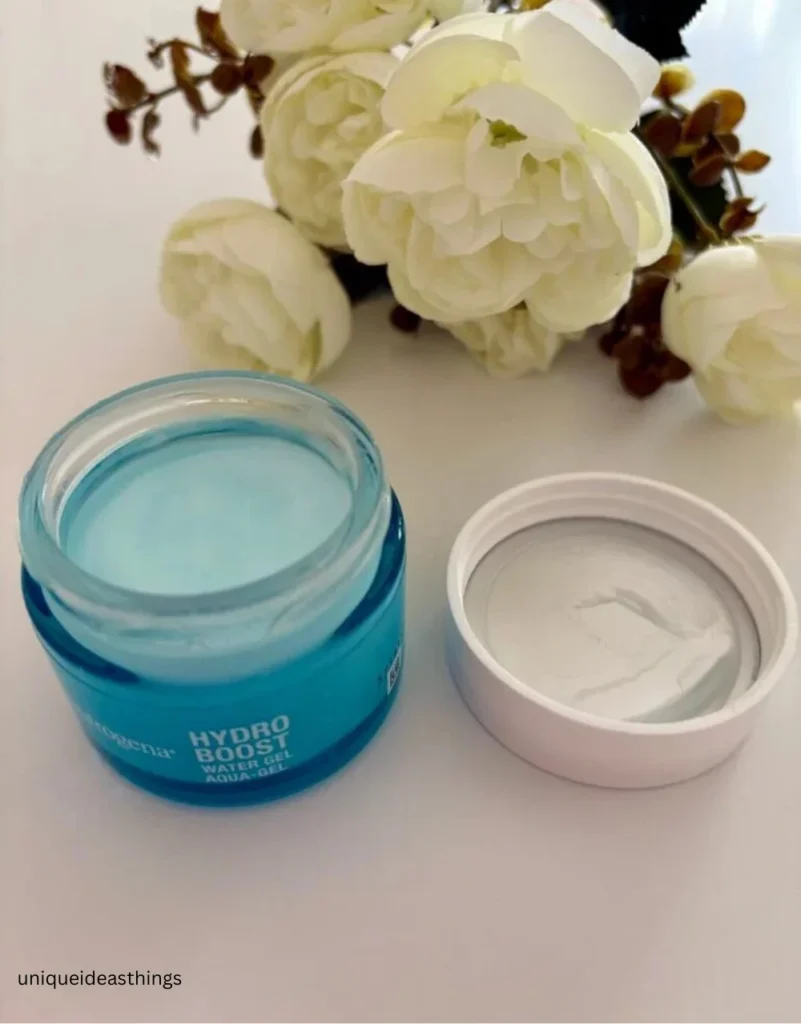
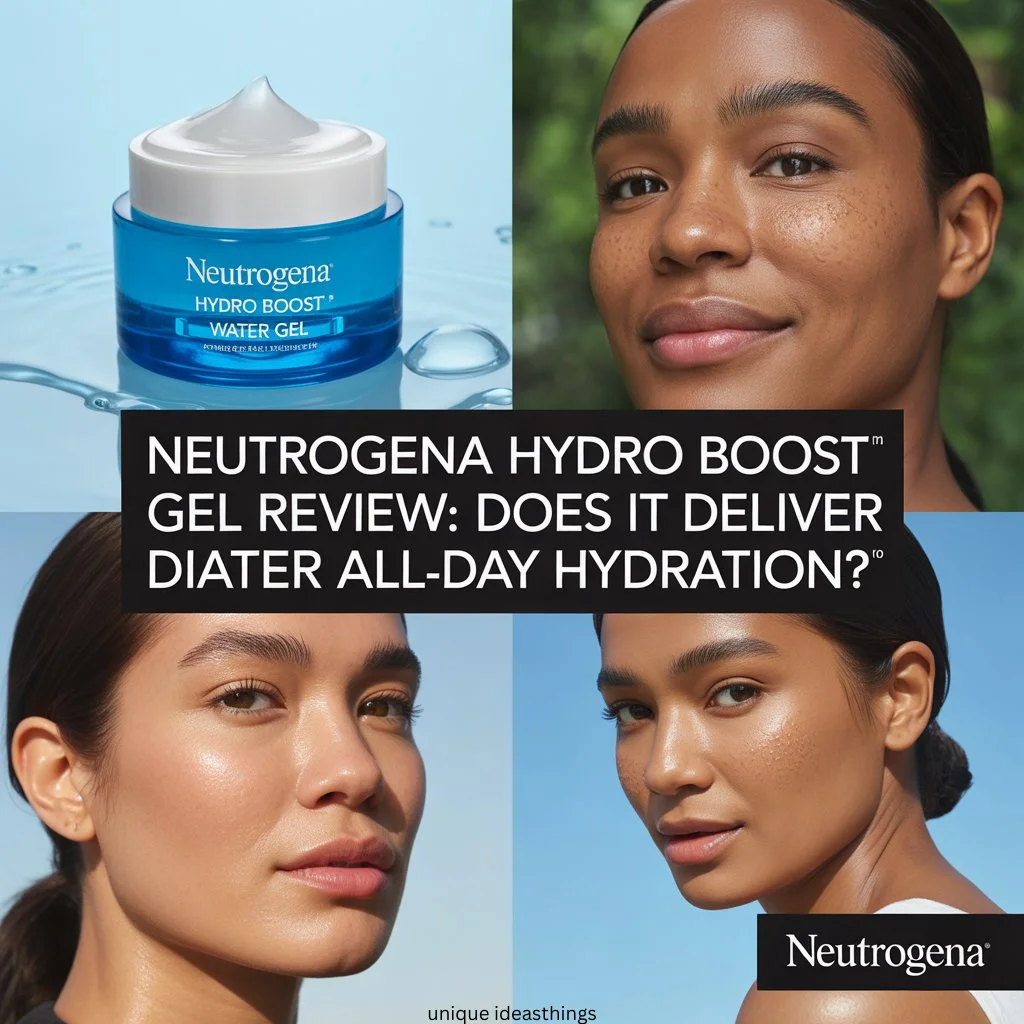
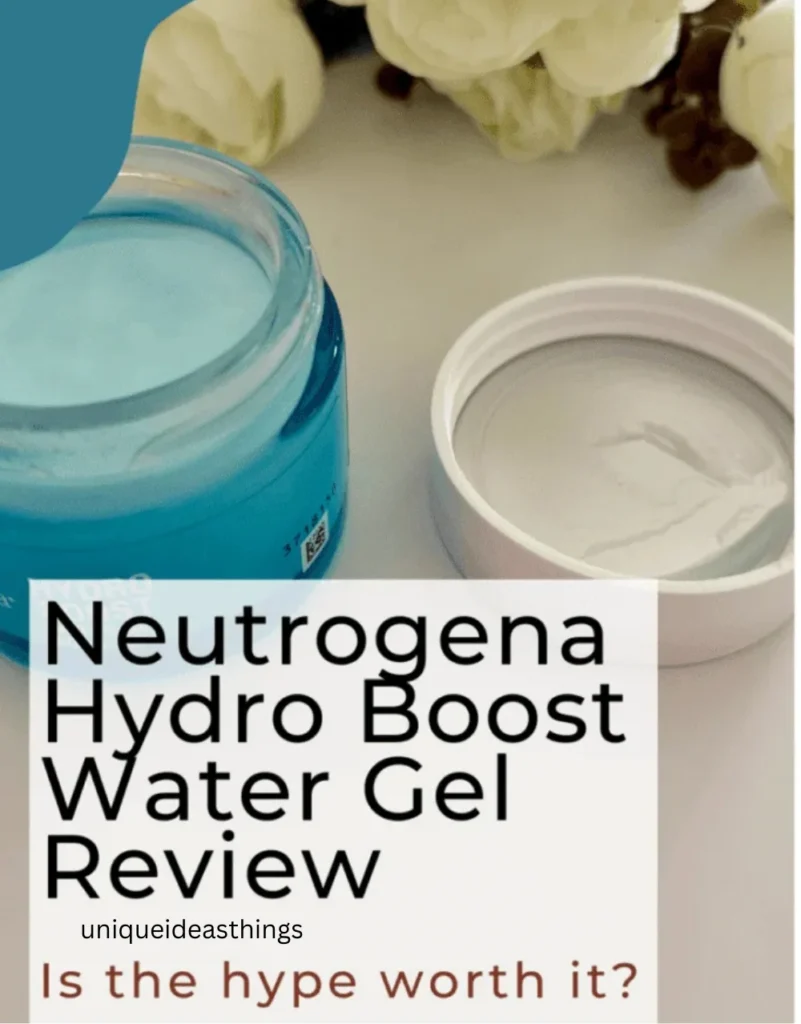
When I opened the jar, the vibrant blue color immediately stood out. The texture is ultra-light, like a watery gel, and it spreads effortlessly. On application, it felt cooling and refreshing—perfect for hot summer days.
The scent is noticeable: fresh and slightly floral. It fades quickly, but if you’re sensitive to fragrance, this could be an issue. Personally, I found it a little strong but not unpleasant.
It absorbed quickly into my skin, leaving no greasy residue—just a smooth, slightly dewy finish. At first use, it felt amazing. But how well did it last?
Performance on Dry Skin
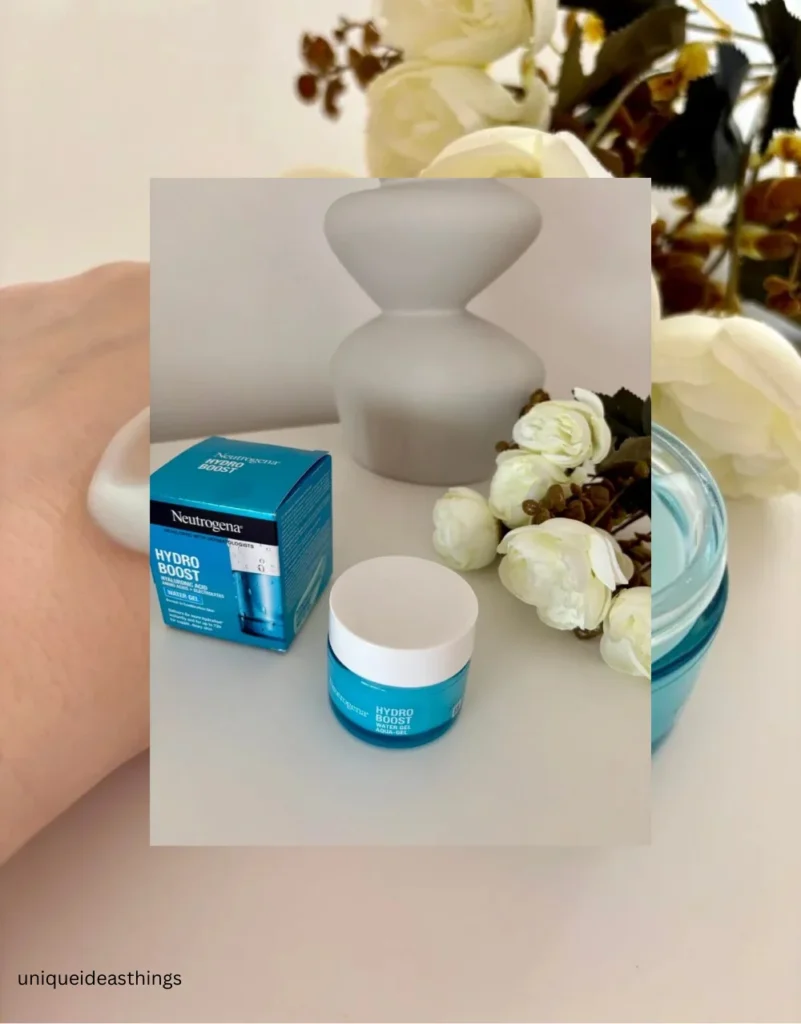
Since my skin is prone to dryness, especially in colder months, I tested Hydro Boost in different scenarios:
- Morning: My skin felt instantly plump and soft. It layered beautifully under sunscreen and makeup without pilling.
- Midday: Around lunchtime, my cheeks started to feel a bit tight, so the hydration didn’t fully last.
- Nighttime: On its own, it wasn’t moisturizing enough overnight. I needed to pair it with a thicker cream or facial oil for extra nourishment.
Overall: It works well as a lightweight, daytime moisturizer, but it isn’t rich enough for deep hydration on dry skin.
Results After a Few Weeks
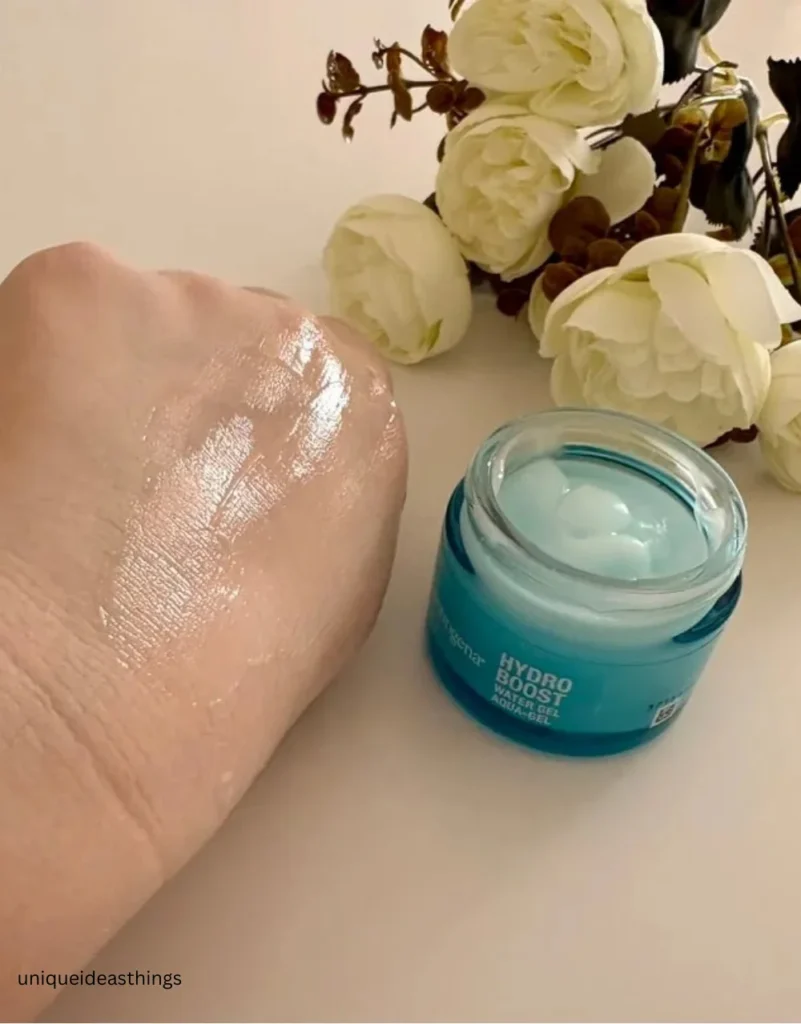
After consistent use, here’s what I noticed:
✅ Skin looked smoother and more supple immediately after use
✅ Didn’t clog pores or cause breakouts
✅ Worked perfectly under makeup
❌ Hydration didn’t always last through the day
❌ Not rich enough for very dry patches on its own
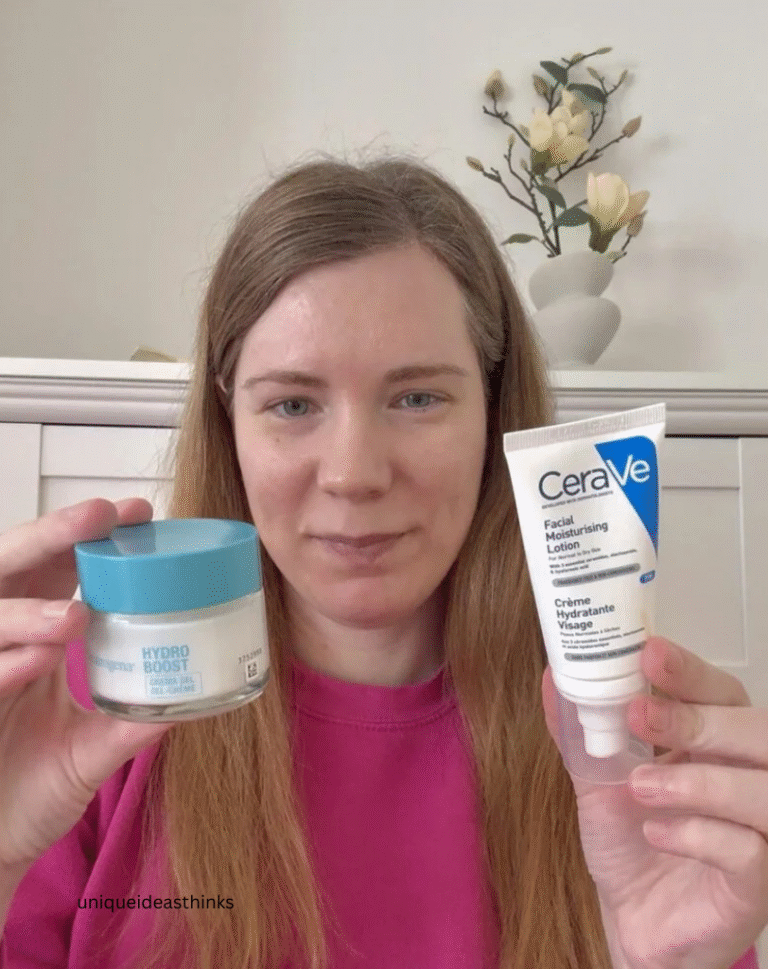
In winter, I found myself layering it with CeraVe Moisturizing Cream for longer-lasting hydration.
Pros & Cons
Pros:
- Lightweight and refreshing
- Absorbs quickly, no greasy residue
- Layers well under makeup
- Non-comedogenic (won’t clog pores)
Cons:
- Not moisturizing enough for very dry skin
- Contains fragrance and alcohol (potential irritants)
- Hydration fades by midday
- Includes unnecessary artificial dye
Comparison with Similar Moisturizers
| Moisturizer | Texture | Hydration | Best For | Fragrance | Price |
|---|---|---|---|---|---|
| Neutrogena Hydro Boost Gel Cream | Lightweight gel | Medium | Combo–oily skin | No | $$ |
| Clinique Moisture Surge 100H | Gel-cream | High | Dry–combo skin | No | $$$ |
| Olay Hyaluronic + Peptide 24 Gel Cream | Gel-cream | Medium-High | Normal–dry skin | No | $$ |
| Tatcha The Water Cream | Silky gel-cream | Medium | Oily–combo skin | Yes | $$$$ |
Which to choose?
- Need intense hydration → Clinique or Olay.
- Want a luxury feel → Tatcha (but pricey).
- Looking for a light, affordable option → Neutrogena Hydro Boost.
Final Verdict: Is It Worth Buying?
Would I repurchase Hydro Boost Water Gel? Yes—but only for specific seasons and purposes.
It’s fantastic for summer, layering under sunscreen, or as a base for oily/combination skin. However, if you have very dry skin, it won’t be enough on its own. You’ll likely need a richer cream at night or during colder months.
In short: Great for normal to oily skin, decent for combination skin, but not the best choice if your skin is extremely dry.
If you’re curious, it’s definitely worth trying—just keep your skin type in mind.